Cybersecurity for Small and Medium UAE Businesses: Where to Actually Start
Cybersecurity advice aimed at small and medium UAE businesses usually reads like it was written for a bank's IT department — long compliance checklists with no sense of what to do first. Here's a more realistic starting point, based on what's actually hitting UAE SMEs right now.
This Isn't a Hypothetical Risk
Nearly half of UAE SMEs — 47% — have already experienced a cyberattack. 47% of UAE SMEs have already experienced a cyberattack — this isn't an edge case being used to sell services, it's closer to a coin flip. In just the first six weeks of 2026, 128 confirmed cyber incidents were recorded against UAE entities. The threats hitting small and medium businesses specifically are consistent: phishing emails, business email compromise, ransomware, and credential theft — not sophisticated nation-state attacks, but well-worn tactics that work because basic defenses aren't in place.

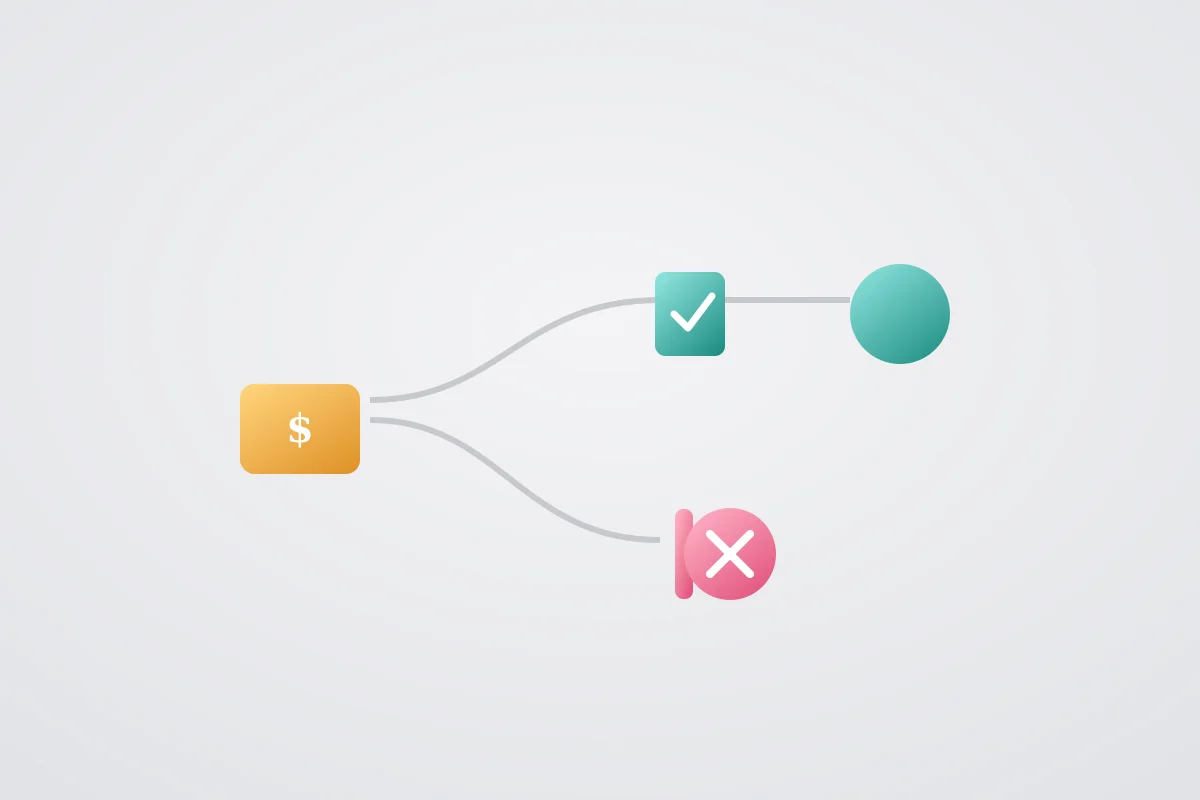
Business Email Compromise Is the One That Actually Costs Money
Business email compromise is the cybersecurity threat most likely to cost a UAE SMB real money, not just data. This is worth calling out specifically because of the scale: a Dubai-based company lost AED 2.3 million in a single business email compromise incident in early 2026 — a fraudulent payment redirect, not a data breach. This is the threat category where a small procedural gap (no verification step before changing bank details on an invoice) turns directly into a large financial loss, and it's one of the cheapest things to defend against.
Where the Real Priority List Starts
The highest-leverage cybersecurity priority for a UAE SMB is multi-factor authentication across every system that touches company data. Security advisors working with Gulf businesses consistently point to the same handful of priorities, roughly in this order: multi-factor authentication across every system that touches company data, regular phishing-resistance training for staff (since most breaches start with a person, not a technical flaw), a tested incident response plan (not just a written one — tested), a basic security check on key vendors who touch company data, and appropriate cyber insurance as the backstop for whatever gets through.


The PDPL Isn't Optional Background Reading
The UAE's PDPL exposes businesses that fail to protect customer data to real fines and legal consequences, separate from the cost of the attack itself. UAE data protection law is tightening, not loosening, and a business that fails to protect customer data is exposed to real fines and legal consequences under the PDPL — separate from whatever the attack itself costs. This is worth building into a cybersecurity plan from day one rather than treating as separate paperwork to deal with later.
Start Small, Start Now
The highest-impact cybersecurity defenses for a UAE SMB — MFA and staff training — don't require an enterprise security budget. None of the highest-leverage steps above require an enterprise security budget. MFA and staff training in particular are inexpensive relative to the AED 2.3 million kind of loss they're designed to prevent — the businesses getting hurt aren't usually the ones without a security budget, they're the ones who never got past "we should probably look into this."

How ProjexAI Approaches This for Clients
ProjexAI's cybersecurity approach for UAE SMBs starts with the highest-impact, lowest-cost defenses rather than a generic enterprise framework. This is the practical, prioritized approach behind ProjexAI's cybersecurity services — starting with the highest-impact, lowest-cost defenses for a small or medium UAE business, not a generic enterprise framework that doesn't match the actual risk profile.
Frequently Asked Questions
- How common are cyberattacks against UAE SMEs?
- Very common — 47% of UAE SMEs have already experienced a cyberattack, and 128 confirmed cyber incidents were recorded against UAE entities in just the first six weeks of 2026.
- What's the costliest cybersecurity threat for a UAE SMB?
- Business email compromise. A Dubai-based company lost AED 2.3 million in a single incident in early 2026 — a fraudulent payment redirect caused by a missing verification step before changing bank details on an invoice.
- What's the correct order of cybersecurity priorities for a UAE SMB?
- Multi-factor authentication across every system that touches company data, regular phishing-resistance training for staff, a tested (not just written) incident response plan, a basic security check on key vendors who touch company data, and appropriate cyber insurance as a backstop.
- Does the PDPL affect cybersecurity planning?
- Yes. The UAE's data protection law is tightening, and a business that fails to protect customer data is exposed to real fines and legal consequences under the PDPL, separate from the attack's direct cost — so it should be built into the security plan from day one.
- Does improving cybersecurity require an enterprise-size budget?
- No. The highest-leverage steps — MFA and staff phishing-resistance training — are inexpensive relative to the scale of loss they prevent, such as the AED 2.3 million business email compromise example.
- How does ProjexAI approach cybersecurity for UAE SMBs?
- By starting with the highest-impact, lowest-cost defenses suited to an SMB's actual risk profile, not a generic enterprise security framework.
Related Pages
Get In Touch